
We're back with another NPSP Day recap, this time from sunny Oakland! On April 30, the Salesforce nonprofit community gathered at Preservation Park for a full day of collaboration, learning, and community connection.
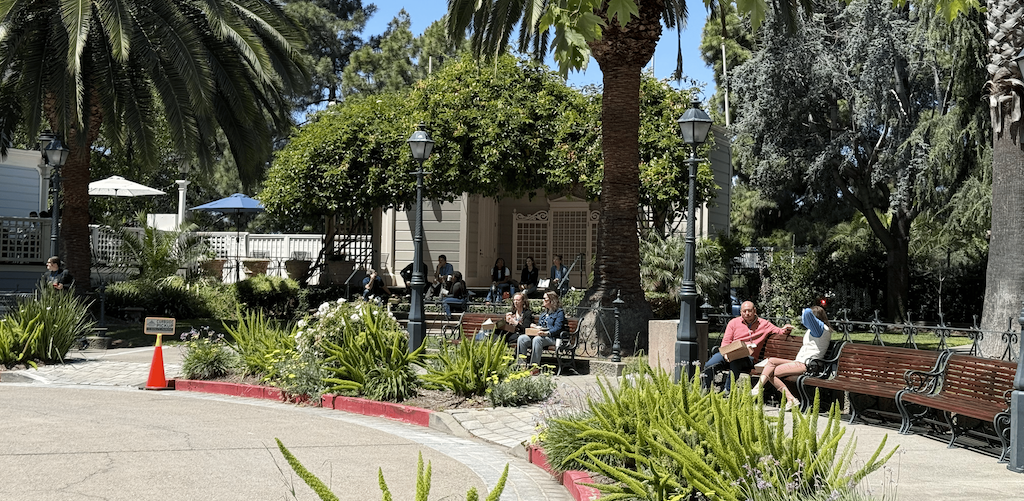
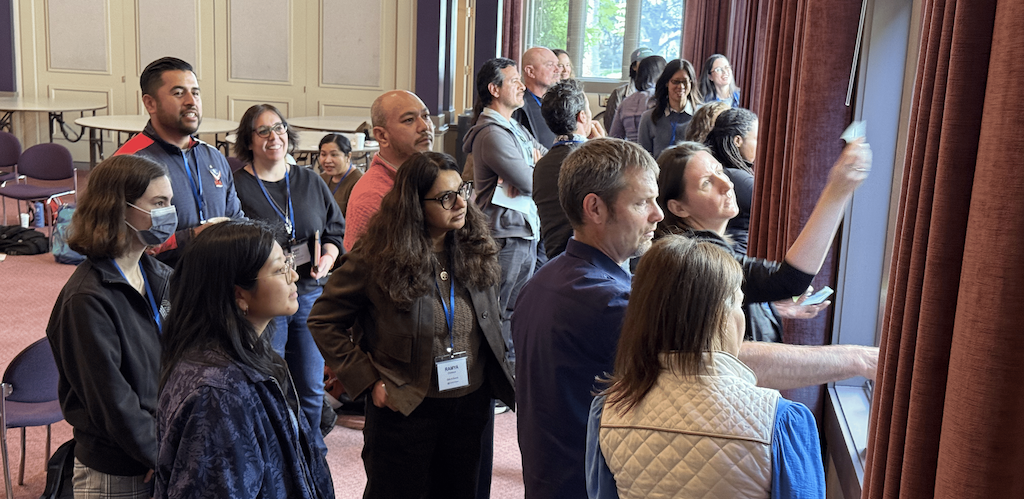
This was our first time bringing NPSP Day to Oakland, and it could not have gone better! We had a fantastic turnout of 35 attendees with 100% attendance, an enthusiastic and welcoming room, and absolutely gorgeous weather all day long. The beautiful courtyard at Preservation Park made for the perfect lunch spot, with attendees gathering outside to continue conversations, swap ideas, and connect with peers between sessions.
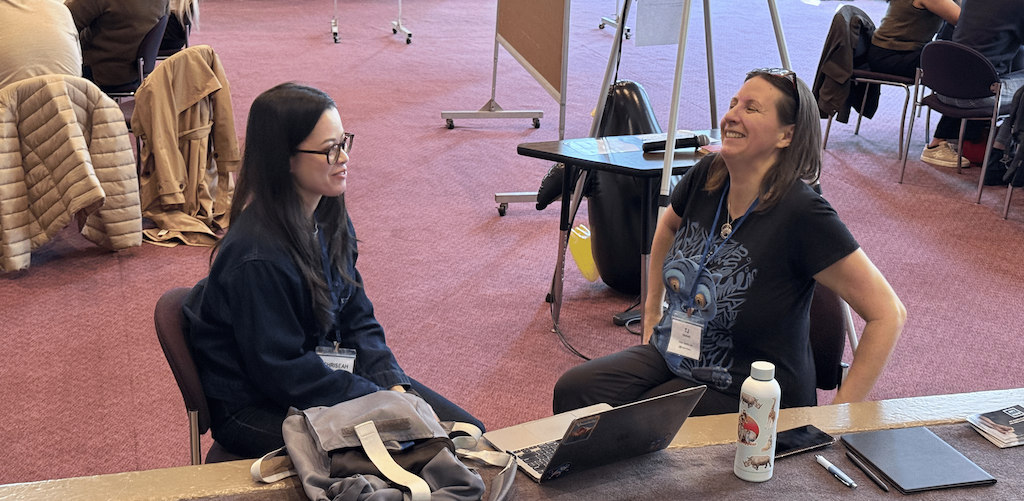
We're incredibly grateful to Lawrence and the entire team at Preservation Park for hosting us in such a warm and beautiful space. Huge thanks as well to our sponsors, Idlewild Partners and Data Geeks Lab, for helping make the day possible. A special shoutout to TJ from Data Geeks Lab, who went above and beyond by helping with lunch setup and then spent the afternoon offering attendees some informal curbside consulting during the breakout sessions. That kind of generosity is exactly what makes this community so great.
Throughout the day, one theme surfaced again and again: nonprofit teams are trying to build systems that are both sustainable and adaptable. Whether discussing volunteer management, donor pipelines, data integrity, or reporting, attendees consistently focused on creating processes that can scale without overwhelming already-stretched teams.
There was also a strong emphasis on balancing automation with human oversight, especially as organizations explore AI tools, wealth screening platforms, and increasingly sophisticated integrations. Conversations frequently returned to a core question many nonprofits are asking right now: how do we future-proof our fundraising and operational systems while keeping them usable, maintainable, and grounded in real human workflows?
Below is a look at the breakout sessions and key takeaways from the day.
Breakout Session Topics
Breakout Sessions & Key Takeaways
Volunteer Management
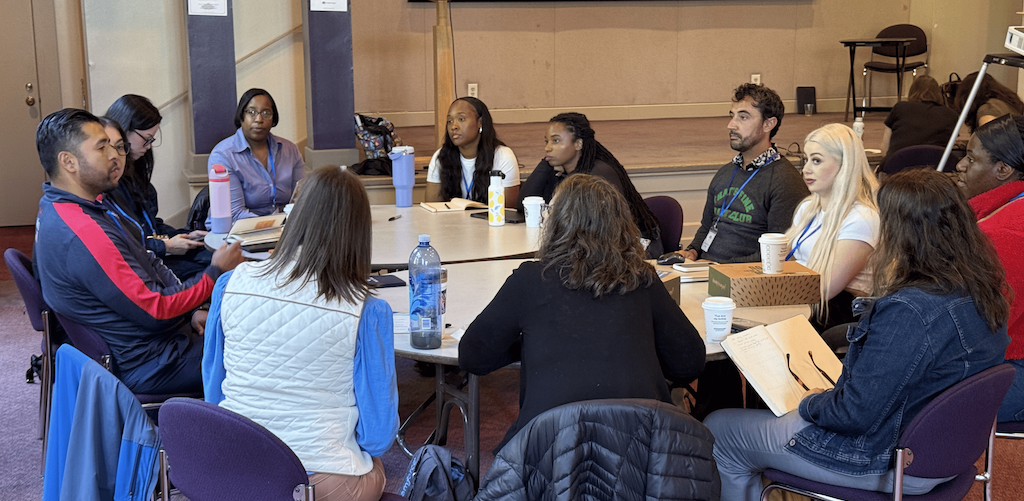
Volunteer management conversations centered on balancing accessibility, automation, and flexibility. Many organizations are using Volunteers for Salesforce (V4S) as a starting point while layering in additional processes and integrations as programs grow.
Key Takeaways
- Start simple with volunteer tools: Many organizations are finding success with Volunteers for Salesforce (V4S) as a lightweight, accessible way to begin managing volunteer shifts, hours, and communications.
- Documentation matters: Loom videos, walkthroughs, and user-friendly training materials can make volunteer onboarding and staff adoption significantly easier.
- Duplicate management remains a challenge: Multiple email addresses and inconsistent volunteer signups continue to create duplicate records, especially when integrating forms and portals.
- Automation can streamline volunteer workflows: Organizations discussed using automated emails, engagement plans, and segmented communications to reduce manual coordination.
- Balance accessibility with oversight: Some nonprofits are experimenting with selective volunteer opportunities and qualification workflows rather than purely first-come, first-served systems.
Fundraising Best Practices
This session focused heavily on structuring fundraising data in ways that support both development and finance teams while maintaining clean reporting.
Key Takeaways
- Payment records can simplify reporting: Separating development and accounting needs through payment-level tracking helps organizations better manage passthrough grants, split gifts, and financial reporting.
- DAF tracking continues to evolve: Many organizations are moving toward tracking DAF gifts at the household level while retaining fields or indicators that preserve the legal donor information.
- Contact roles are often preferred over soft credits: Participants shared that contact roles can provide cleaner relationship tracking and reporting than relying heavily on soft credits.
- Shared ownership improves data quality: Short recurring data review meetings and clearer field ownership across teams help keep fundraising data more accurate and sustainable.
- Relationship tracking is becoming more strategic: Organizations are increasingly building custom relationship and solicitor tracking to support portfolio management and donor engagement efforts.
Moves Management
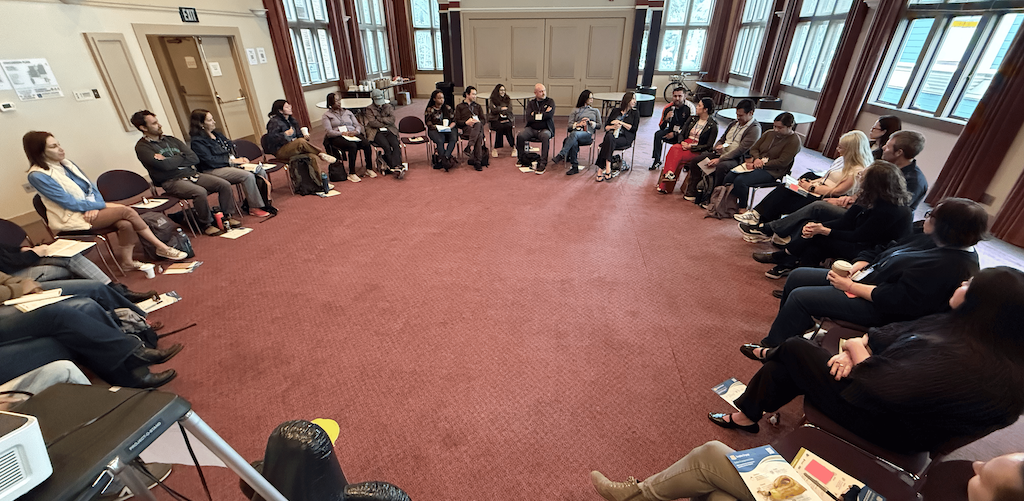
Moves management discussions revealed a common reality: many organizations are still managing donor pipelines outside Salesforce. The group explored practical approaches to bringing cultivation tracking into the system while making it usable for fundraisers.
Key Takeaways
- Many organizations still manage moves externally: Despite Salesforce capabilities, many attendees shared that they continue using Asana, Trello, spreadsheets, or other tools for day-to-day moves management.
- Tasks require intentional design: Salesforce tasks can work well when paired with filtered views, report subscriptions, and automations, but many organizations struggle with visibility and follow-through.
- Qualification systems take time: Sustainable portfolio management often requires months of work defining cultivation stages, donor scoring, and qualification criteria.
- Paths are gaining traction over Engagement Plans: Several attendees recommended Salesforce Paths as a more flexible and user-friendly alternative for guiding cultivation workflows.
- Automation should support sustainability: Participants emphasized reducing reliance on manually updated fields whenever possible through rollups, flows, and automated processes.
See how Soapbox Engage integrates with Salesforce
Soapbox Engage is a suite of online engagement apps — donations, events, forms, and more — with real-time Salesforce and Microsoft Dynamics integration built in.
Explore the AppsTracking Multiple Giving Vehicles (DAFs)
This speedgeeking session focused on how organizations are structuring Salesforce to better manage donor-advised funds and other layered giving relationships.
Key Takeaways
- Separate fundraising and accounting perspectives: Organizations are creating distinct fields for stewarding donors versus tracking legal donor entities for accounting purposes.
- Hierarchy rollups provide stronger visibility: Rollup fields across account hierarchies help organizations better understand cumulative giving relationships and donor history.
- Related lists improve context: Adding hierarchy-based opportunity related lists allows teams to see the full picture of connected giving activity.
- Payment-level tracking may offer greater flexibility: Some attendees noted that legal donor information may fit more naturally on payment records than opportunity records.
- Clear ownership of fields matters: Distinguishing which teams own and maintain specific fields helps reduce confusion and improve reporting consistency.
Data Integrity
Data integrity conversations focused on duplicate management, field governance, and balancing automation against staff capacity. The group shared both technical approaches and the organizational habits that support clean data over the long term.
Key Takeaways
- Preventing duplicates is better than cleaning them later: Organizations are focusing more on identifying how duplicates are created and strengthening prevention rules upstream.
- Help text and documentation reduce long-term confusion: Clear field guidance and documentation help maintain consistency despite staff turnover and evolving systems.
- Field history tracking requires prioritization: Because Salesforce limits tracked fields, teams are being more strategic about which changes truly need auditing.
- Mass cleanup tools remain essential: Jetstream, Apsona, Data Loader, and consultants continue to play a major role in large-scale cleanup projects.
- Not every problem needs automation: Participants emphasized stepping back to evaluate whether a manual process may actually be more practical than building a highly customized solution.
Reports & Dashboards
Reporting discussions focused on simplifying reporting experiences and making dashboards more actionable for end users. The group explored foundational best practices alongside tools that extend Salesforce's native reporting capabilities.
Key Takeaways
- Start with the most granular object: Building reports from the lowest-level object and pulling in related data through lookups can create more flexible reporting structures.
- Apsona fills reporting gaps: Many attendees rely on Apsona for advanced reporting scenarios that exceed native Salesforce reporting limitations.
- Dashboards are strongest when tied to action: Organizations are using dashboards for campaign tracking, donor segmentation, and team accountability rather than static reporting alone.
- Custom Report Types unlock flexibility: Attendees encouraged teams to invest time in learning Custom Report Types for more complex cross-object reporting needs.
- Visibility settings impact adoption: Public groups, roles, and thoughtful sharing settings can make reports and dashboards easier for teams to access and use consistently.
Marketing, Segmentation & Email
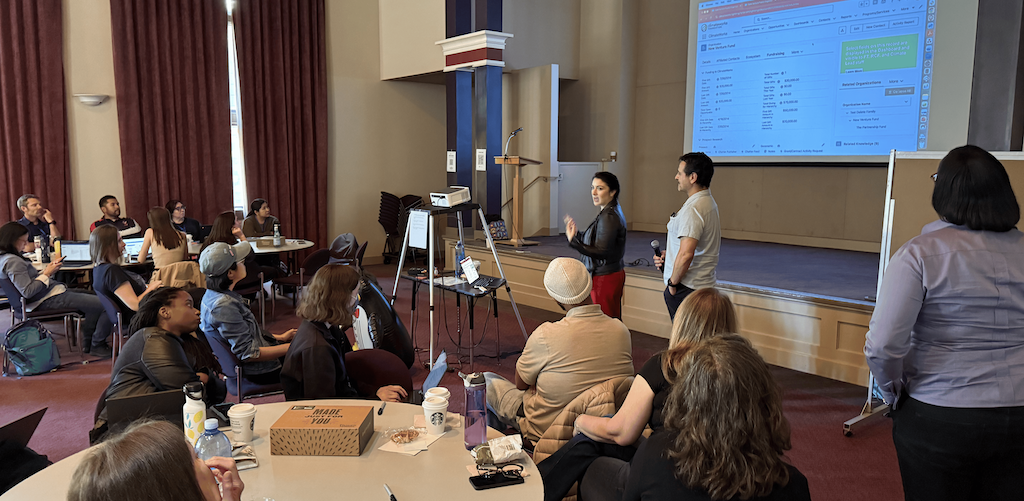
Attendees discussed growing complexity around email preferences, opt-outs, segmentation, and compliance. Conversations covered both the technical configuration challenges and the strategic decisions behind how organizations communicate with constituents.
Key Takeaways
- Preference management is increasingly important: Organizations are refining subscription centers and opt-in workflows to better align with compliance and donor expectations.
- Segmentation improves engagement: Tracking donor interests, event participation, and giving activity allows for more targeted communications.
- Email hygiene requires ongoing attention: Bounce management, Microsoft email deliverability issues, and stale lists remain persistent challenges.
- Pardot continues to create mixed experiences: Some attendees shared ongoing frustrations with Pardot configuration, usability, and preference management workflows.
- Opt-outs require thoughtful policy decisions: Teams are balancing legal requirements, operational communications, and donor experience when managing subscriptions and consent.
Resources Shared During the Day
A number of tools and community resources were shared throughout the event.
- Michael Kolodner's "Free Like a Puppy" blog
- Jetstream
- AgentExchange
- Salesforce Inspector Reloaded
- Snapbrick
- Dave Moudy's open-source "SalesforceDocGen" project
- San Francisco and Oakland nonprofit Salesforce user groups
Closing Thoughts
A huge thank you to everyone who joined us in Oakland and helped make the day such a success. The conversations were thoughtful, collaborative, and refreshingly honest, exactly what makes the NPSP community so special.
Thank you again to Idlewild Partners and Data Geeks Lab for their generous sponsorship, and to Lawrence and the Preservation Park team for welcoming us into such a beautiful space. We're already looking forward to the next one!
Want to be part of the next NPSP Day?
NPSP Days are free, community-run events for nonprofit Salesforce users. Check the schedule for upcoming events in your city.
See Upcoming NPSP Days
 Donations
 Events
 Petitions
 Forms
Forms Shop
Shop Directories