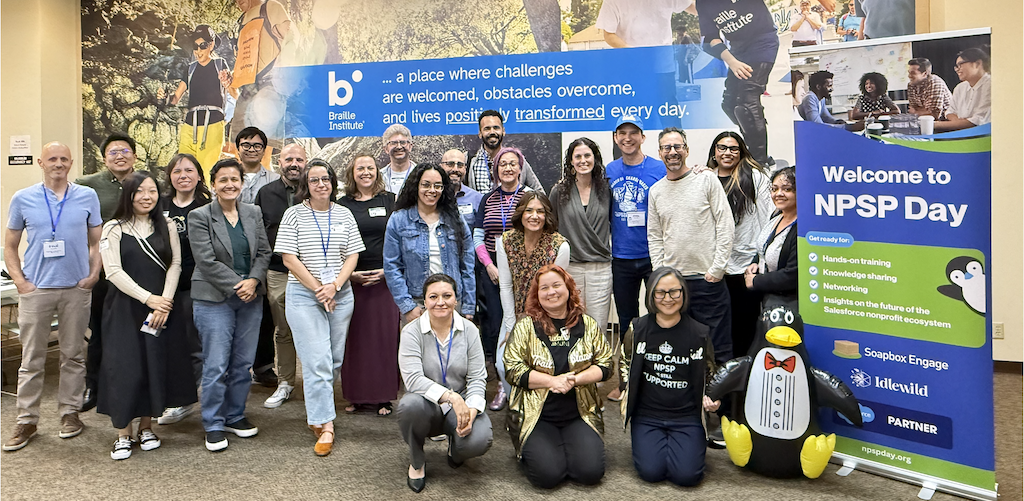
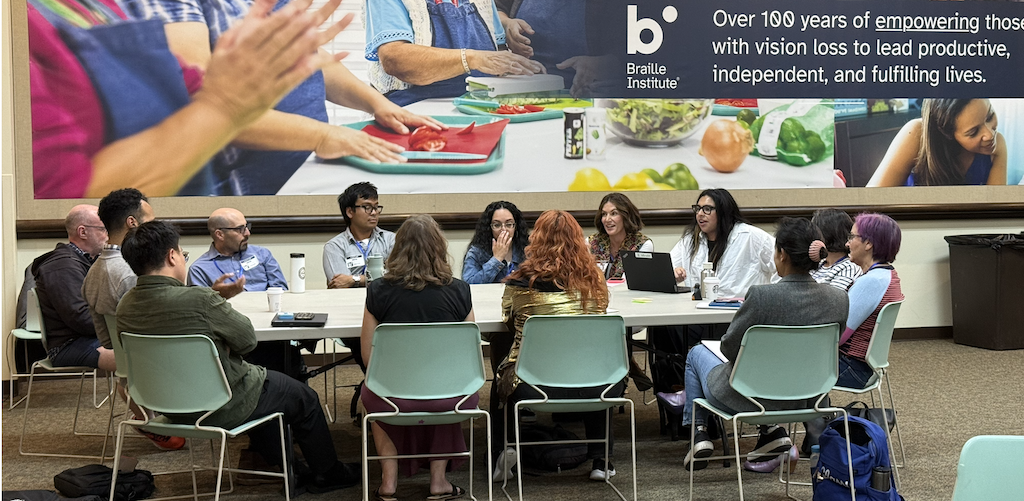
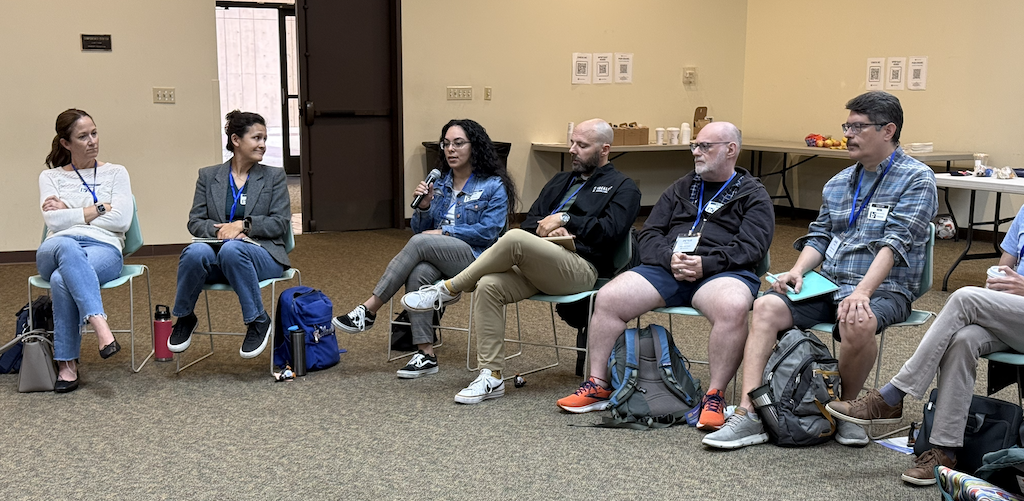
We're back with a recap of NPSP Day Los Angeles! On May 28, the Salesforce nonprofit community gathered at the Braille Institute for a day of learning, collaboration, and community building.
From the moment attendees arrived, there was an unmistakable sense of excitement in the room. Whether reconnecting with familiar faces or meeting new members of the community for the first time, people were eager to share ideas, compare notes, and learn from one another. The conversations started early and never really stopped, carrying from breakout sessions into lunch discussions in the Braille Institute's beautiful outdoor courtyard.
A huge thank you to our sponsors, Idlewild Partners, Data Geeks Lab, and Idealist Consulting, whose support helped make the day possible!
Across every session, a common theme emerged: successful nonprofit technology isn't just about tools. It's about creating systems that are sustainable, accessible, and designed around the people who use them. From fundraising operations and reporting to data governance, automation, and user adoption, attendees explored practical ways to build stronger processes while keeping mission impact at the center.
Below is a look at the breakout sessions and key takeaways from the day.
Breakout Session Topics
Breakout Sessions & Key Takeaways
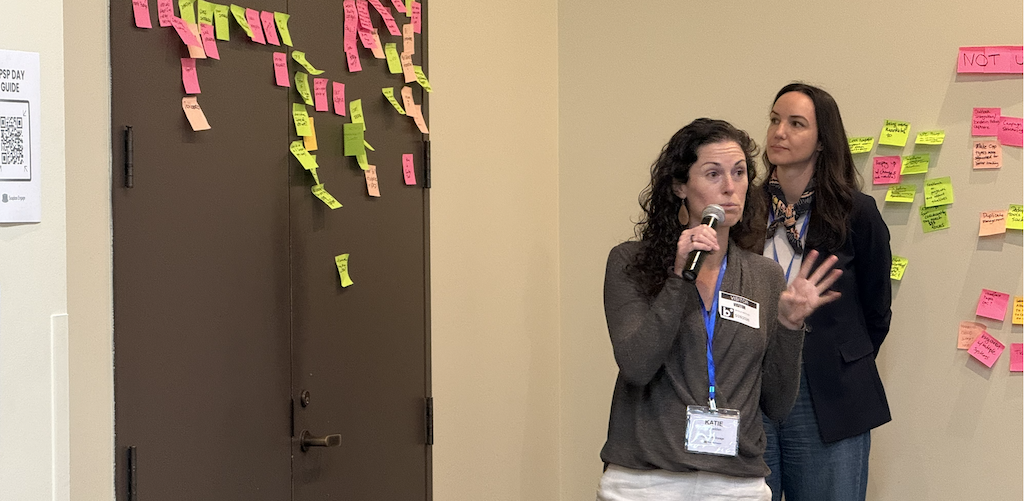
Data Integrity
Clean data remains one of the biggest challenges for nonprofit organizations, and attendees shared both technical solutions and organizational strategies for improving data quality over time.
Key Takeaways
- Governance supports long-term success: Organizations benefit from identifying power users who can support training and day-to-day data stewardship, allowing admins to focus on more complex work.
- Automation reduces human error: Formulas, flows, and other automations can help standardize processes and minimize manual data entry mistakes.
- Deduplication requires multiple approaches: Tools such as Plauti, Apsona, DemandTools, and JetStream were highlighted as effective solutions for identifying and managing duplicate records.
- Training matters as much as technology: Teaching users simple tools like list views and inline editing can improve data quality without requiring large technical investments.
- Integration monitoring is essential: Organizations discussed the importance of regularly reviewing incoming data from external systems to catch issues before they compound.
NPA and the Future of Nonprofit Data Models
This conversation focused on Salesforce's evolving nonprofit offerings, community-led alternatives, and the challenges organizations face when evaluating future platform decisions.
Key Takeaways
- Many organizations are exploring alternatives: Attendees expressed interest in solutions such as NPA and NPPatch as potential options for organizations frustrated with existing models.
- Nonprofit Cloud remains a complex decision: While Salesforce continues investing in Nonprofit Cloud, implementation complexity and cost remain concerns for many organizations.
- Community innovation is thriving: Open-source projects like NPPatch demonstrate the nonprofit community's willingness to collaborate on shared solutions.
- Implementation considerations matter: Organizations evaluating NPA discussed licensing, implementation support, and the role partners can play in adoption.
- The future remains uncertain: Many attendees left with additional questions, but also optimism that multiple viable paths are emerging for nonprofits.
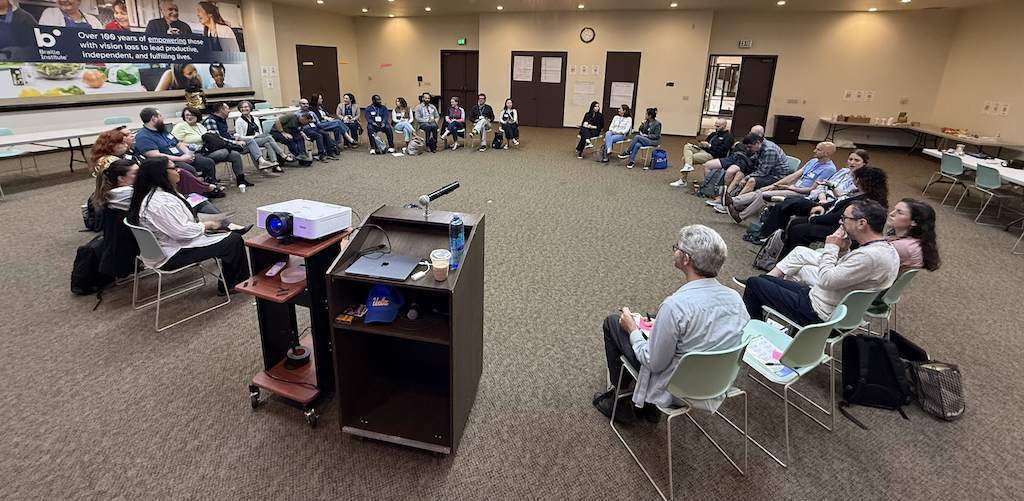
User Adoption
Technology only succeeds when people use it. This session explored practical strategies for helping staff feel confident and engaged with Salesforce.
Key Takeaways
- Lead with encouragement: Positive reinforcement and support tend to be more effective than punitive approaches to adoption.
- Keep training manageable: Short, focused sessions paired with documentation and follow-up resources help users retain information.
- Avoid Salesforce jargon: Analogies and plain-language explanations make technical concepts more approachable.
- Understand user workflows: Effective adoption starts with understanding how staff actually work and where Salesforce can reduce friction.
- Document for both users and admins: Help text, process documentation, and flow descriptions create continuity as teams evolve.
See how Soapbox Engage integrates with Salesforce
Soapbox Engage is a suite of online engagement apps — donations, events, forms, and more — with real-time Salesforce and Microsoft Dynamics integration built in.
Explore the AppsSecurity Best Practices
Security remains an increasingly important topic for nonprofits, especially as organizations adopt new tools and AI-powered technologies.
Key Takeaways
- Permission Set Groups are becoming the standard: Organizations are increasingly moving away from profile-heavy security models in favor of more flexible permission structures.
- Health checks provide valuable insight: Salesforce Health Check and Portal Health Check tools can help identify security risks before they become problems.
- Experience Cloud requires careful planning: Attendees discussed the importance of understanding exactly what data is exposed when building external-facing experiences.
- Security design starts with requirements: Mapping access needs before configuring security settings can lead to cleaner, more sustainable implementations.
- AI governance remains a work in progress: Many organizations are still evaluating how to safely incorporate AI tools while protecting sensitive data.
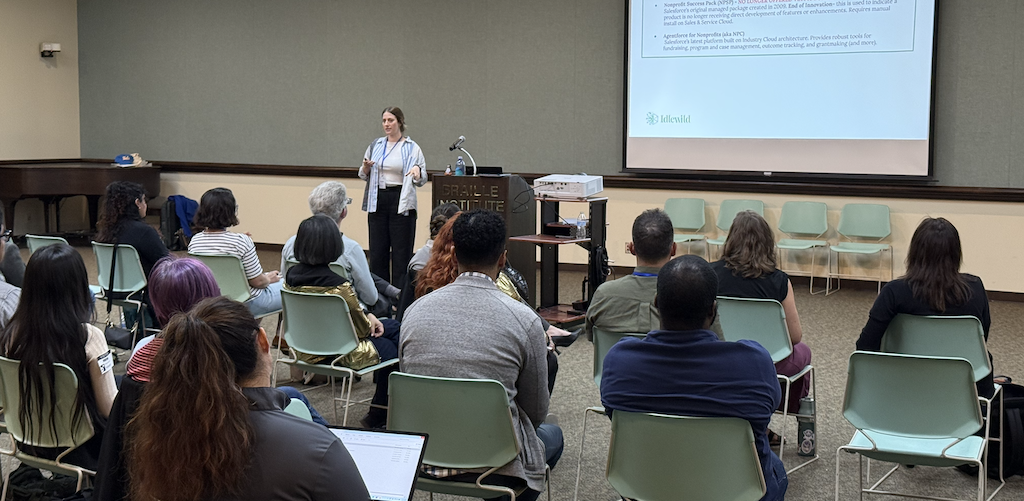
Third-Party Integrations
Attendees compared experiences with fundraising, volunteer management, marketing, accounting, deployment, and wealth screening tools.
Key Takeaways
- The ecosystem continues to expand: Organizations are leveraging a wide range of specialized tools to meet fundraising, volunteer, marketing, and operational needs — including platforms like Soapbox Engage for online engagement.
- Integration quality varies widely: Ease of implementation and ongoing maintenance remain important considerations when evaluating vendors.
- Deployment tools are becoming more common: Solutions like Copado, Gearset, GitHub, and Azure are helping organizations improve change management practices.
- Wealth screening remains a priority: Tools such as Windfall and iWave continue to be widely used for donor research and qualification.
- Logging and monitoring tools add visibility: Apps that help track flow activity and system behavior can significantly simplify troubleshooting.
Automations
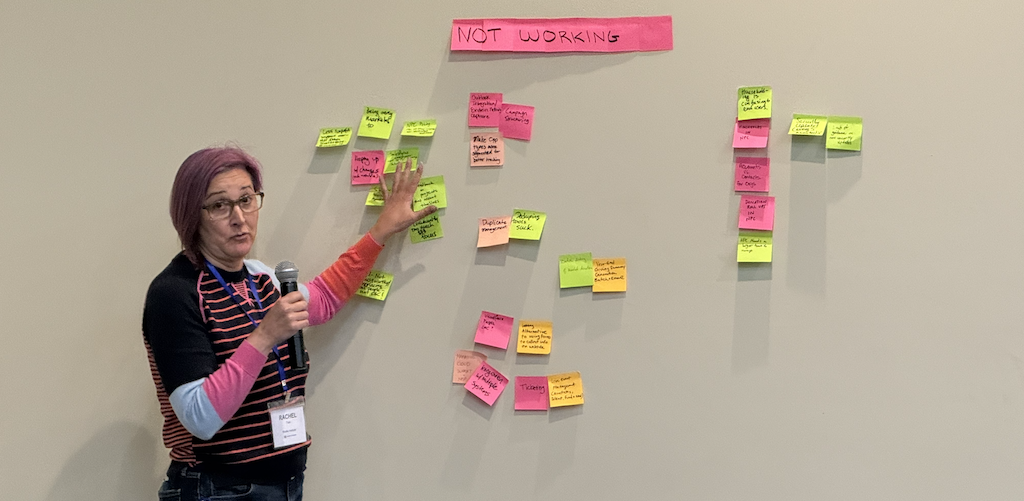
Flows continue to be one of the most powerful tools available to Salesforce administrators, and this session explored both practical use cases and strategies for keeping automations organized and maintainable.
Key Takeaways
- Organization matters: Structuring flows thoughtfully makes troubleshooting and maintenance much easier.
- Start by learning existing automations: Reviewing and cloning flows can help newer admins build confidence without risking production systems.
- Automations save time: Organizations are using flows to handle donor stewardship, notifications, segmentation, and repetitive administrative work.
- Screen flows improve user experiences: Visual workflows can simplify complex processes and guide users through tasks.
- Dynamic interfaces create cleaner experiences: Dynamic page layouts and conditional visibility can help users focus on what matters most.
Professional Development
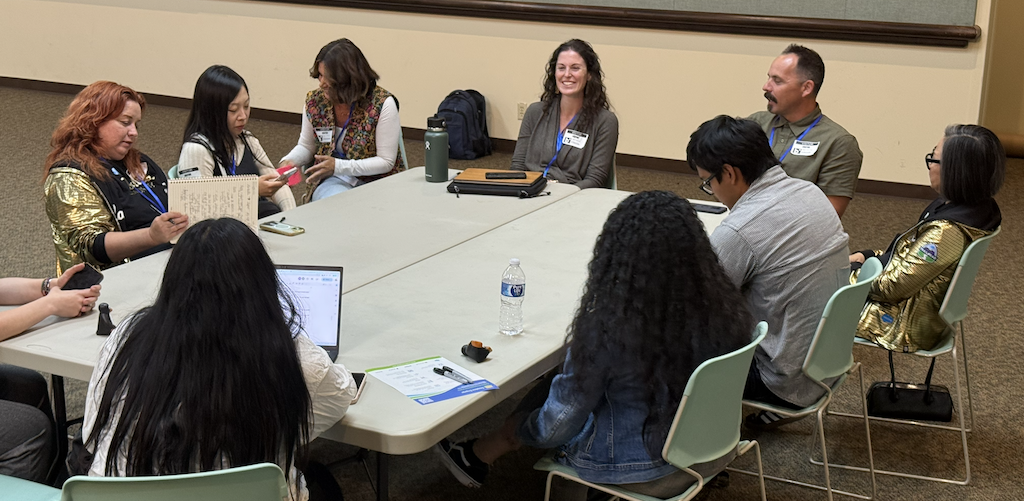
The nonprofit Salesforce ecosystem offers countless learning opportunities, but staying current can feel overwhelming. This session explored how practitioners across roles approach ongoing growth.
Key Takeaways
- Community remains one of the best resources: User groups, NPSP Days, and community events provide practical, nonprofit-specific learning opportunities.
- Smaller events offer valuable connections: Many attendees highlighted regional conferences and community gatherings as particularly useful.
- Learning paths vary by role: End users, admins, consultants, and developers often benefit from different types of training and resources.
- Consistency matters more than intensity: Ongoing learning tends to be more effective than trying to absorb everything at once.
- The ecosystem is collaborative: Participants repeatedly emphasized the willingness of the community to share knowledge and support one another.
Technology & Operationalization
Technology projects are ultimately about people, processes, and organizational alignment. This session explored how to make technical work stick and demonstrate its ongoing value.
Key Takeaways
- Show the value of the work: Demonstrating time savings, efficiency gains, or reduced frustration helps build support for system improvements.
- Documentation doesn't need to be complicated: Simple, clear documentation is often more effective than lengthy manuals.
- Find champions across the organization: Power users and advocates can help drive adoption and reinforce best practices.
- Governance creates sustainability: Clear project intake processes and decision-making structures help organizations prioritize effectively.
- Make technical work visible: Sharing updates and progress helps stakeholders understand the ongoing value of system administration and improvement efforts.
Closing Thoughts
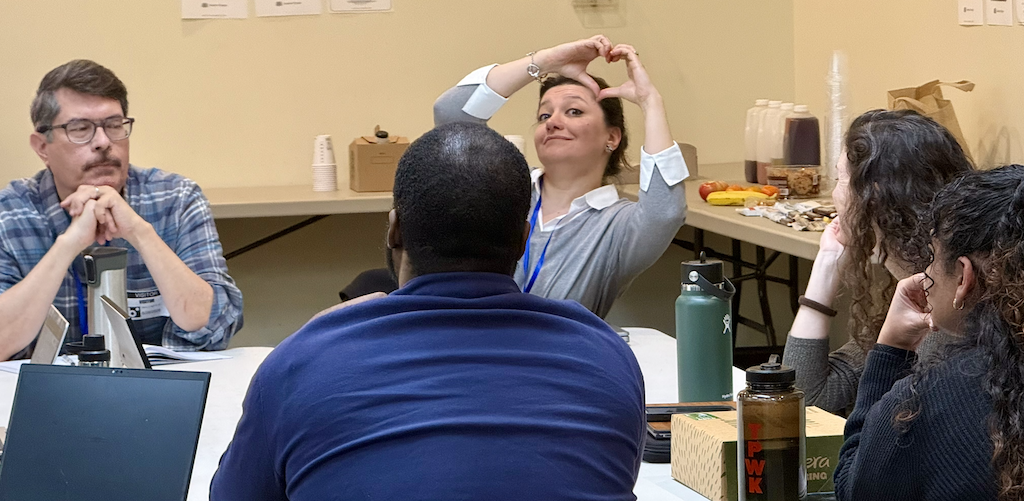
NPSP Day Los Angeles was a reminder of what makes this community so valuable. From first-time attendees to longtime Salesforce professionals, everyone brought a willingness to share openly, learn from one another, and help solve real-world nonprofit challenges.
Thank you again to the Braille Institute for hosting us in such a beautiful and accessible space, and to Idlewild Partners, Data Geeks Lab, and Idealist Consulting for sponsoring the event.
We look forward to seeing everyone again soon at a future NPSP Day! You can also read recaps from other recent events: NPSP Day Boston and NPSP Day Oakland.
Want to be part of the next NPSP Day?
NPSP Days are free, community-run events for nonprofit Salesforce users. Check the schedule for upcoming events in your city.
See Upcoming NPSP Days
 Donations
 Events
 Petitions
 Forms
Forms Shop
Shop Directories